Even Robots Grow Old
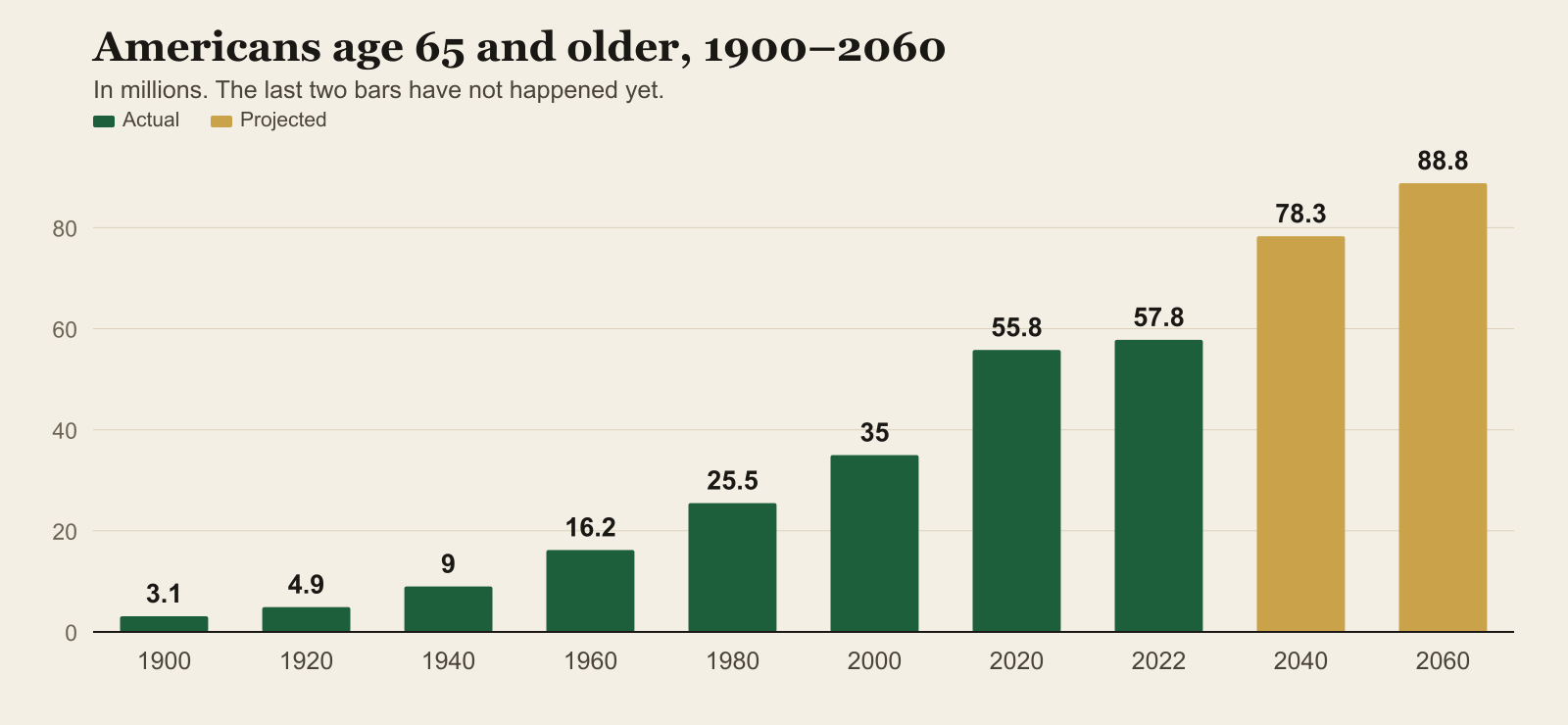
Aging is a problem the world has in common.
 Detours
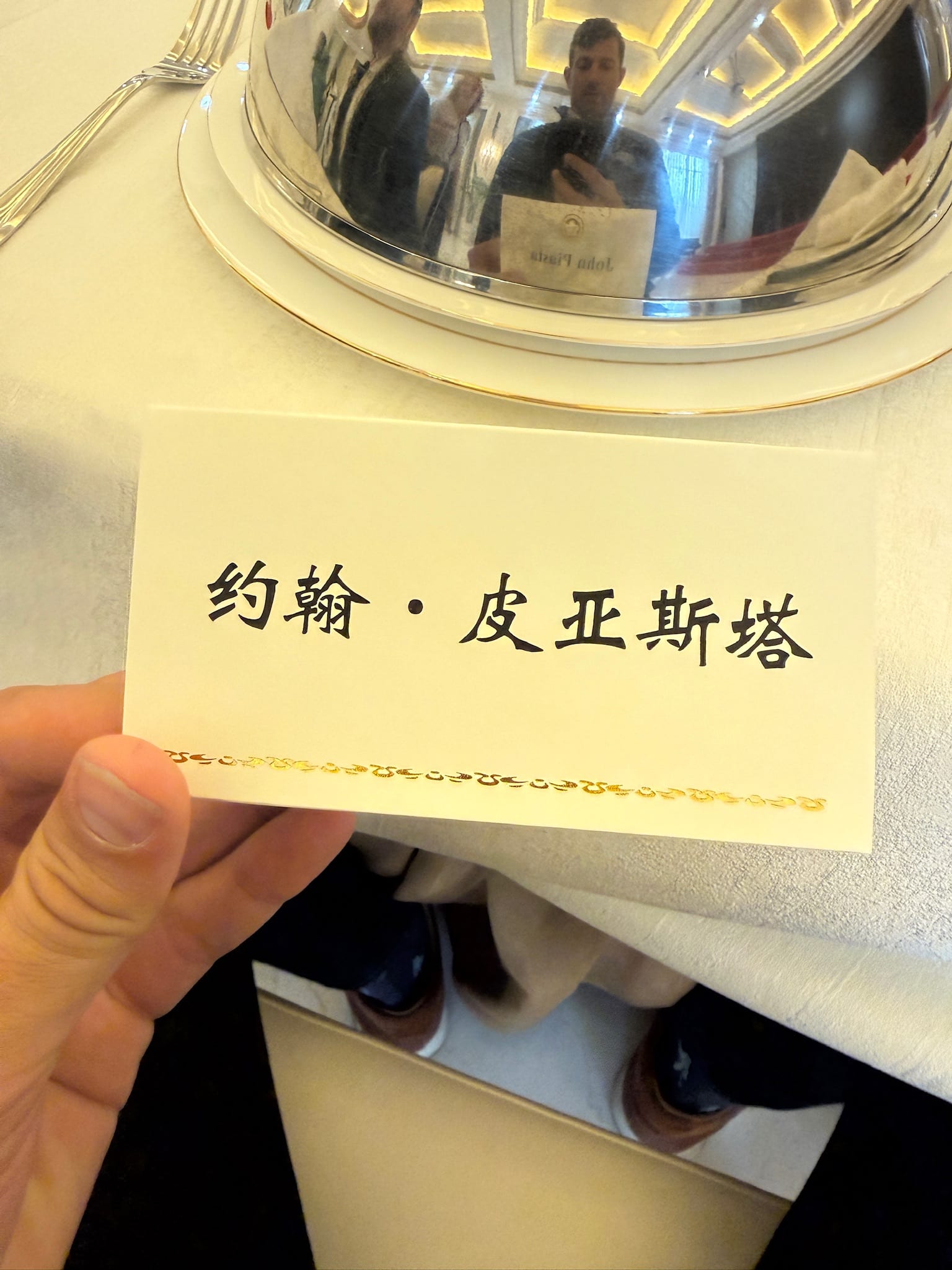
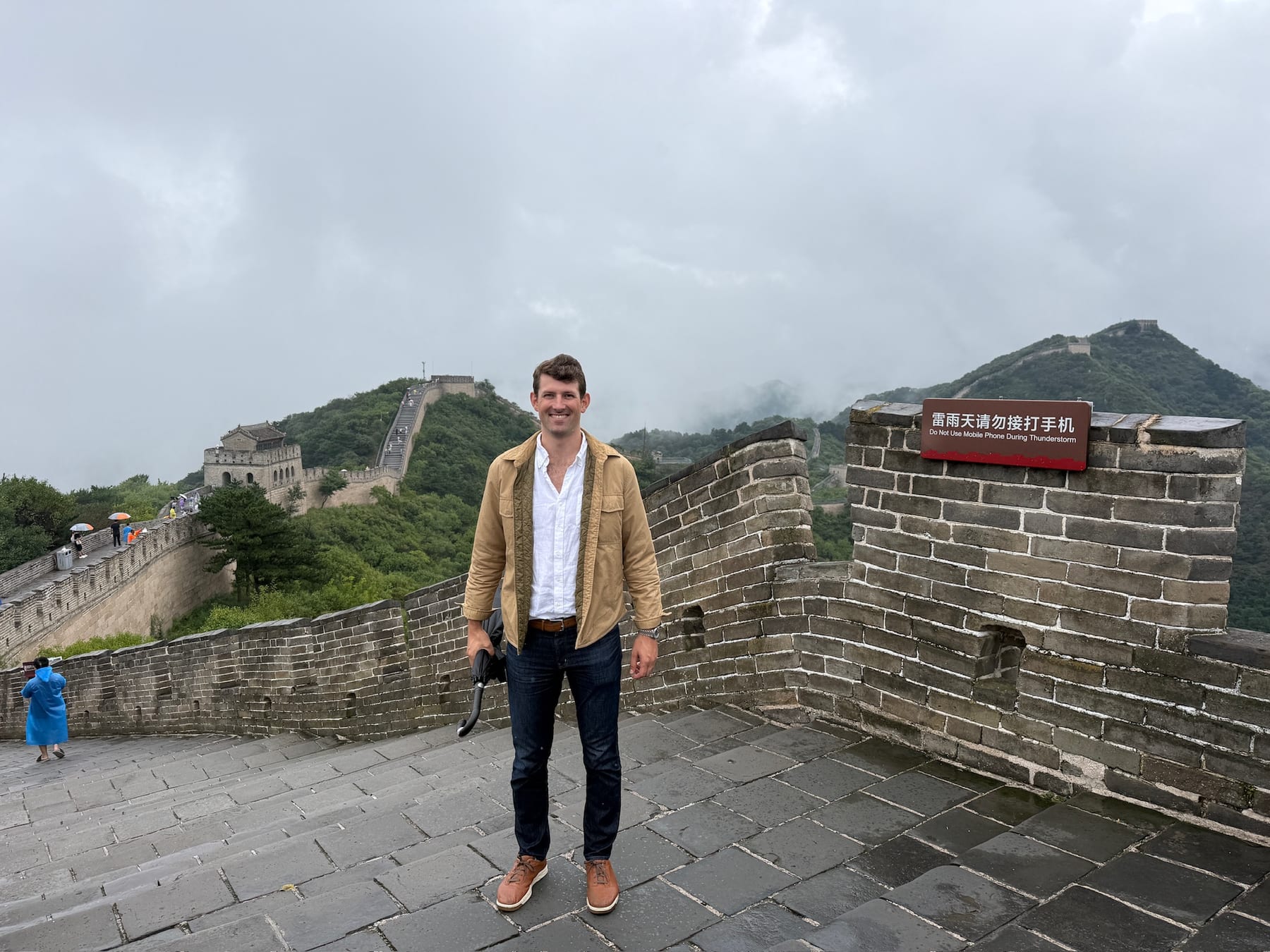
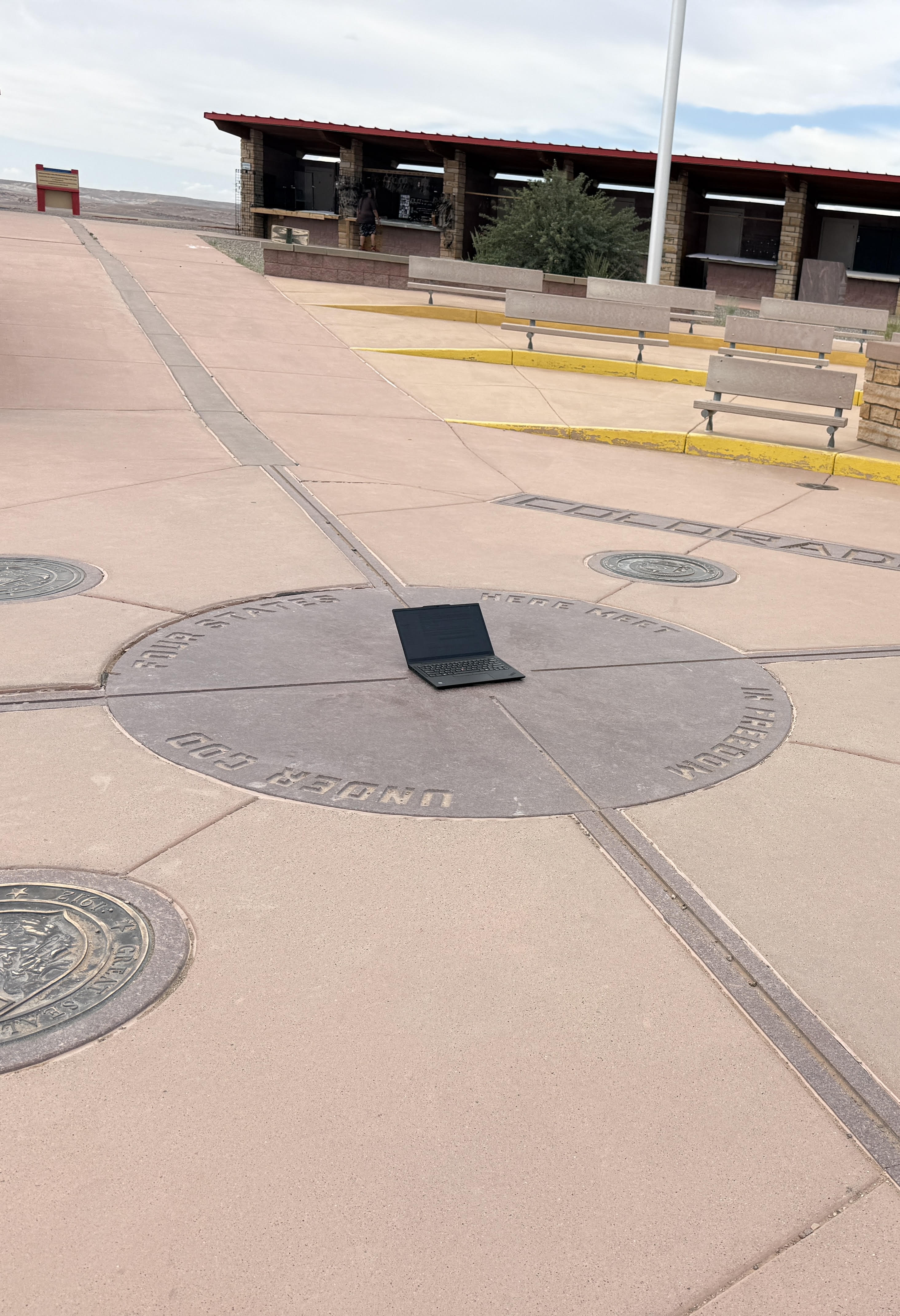
As a proud American, my first goal was to see all 50 states. That was a proactive one, but this time I realized I had officially made a lap around the world, hitting New York, Italy, France, China, Japan, and back to San Francisco. The trip spanned 22K miles, though I never crossed the equator. I'll have to save that for another time. Along the way I witnessed both Robot Kindergarten and the Great Wall, while neither was the reason for the detour to Beijing.
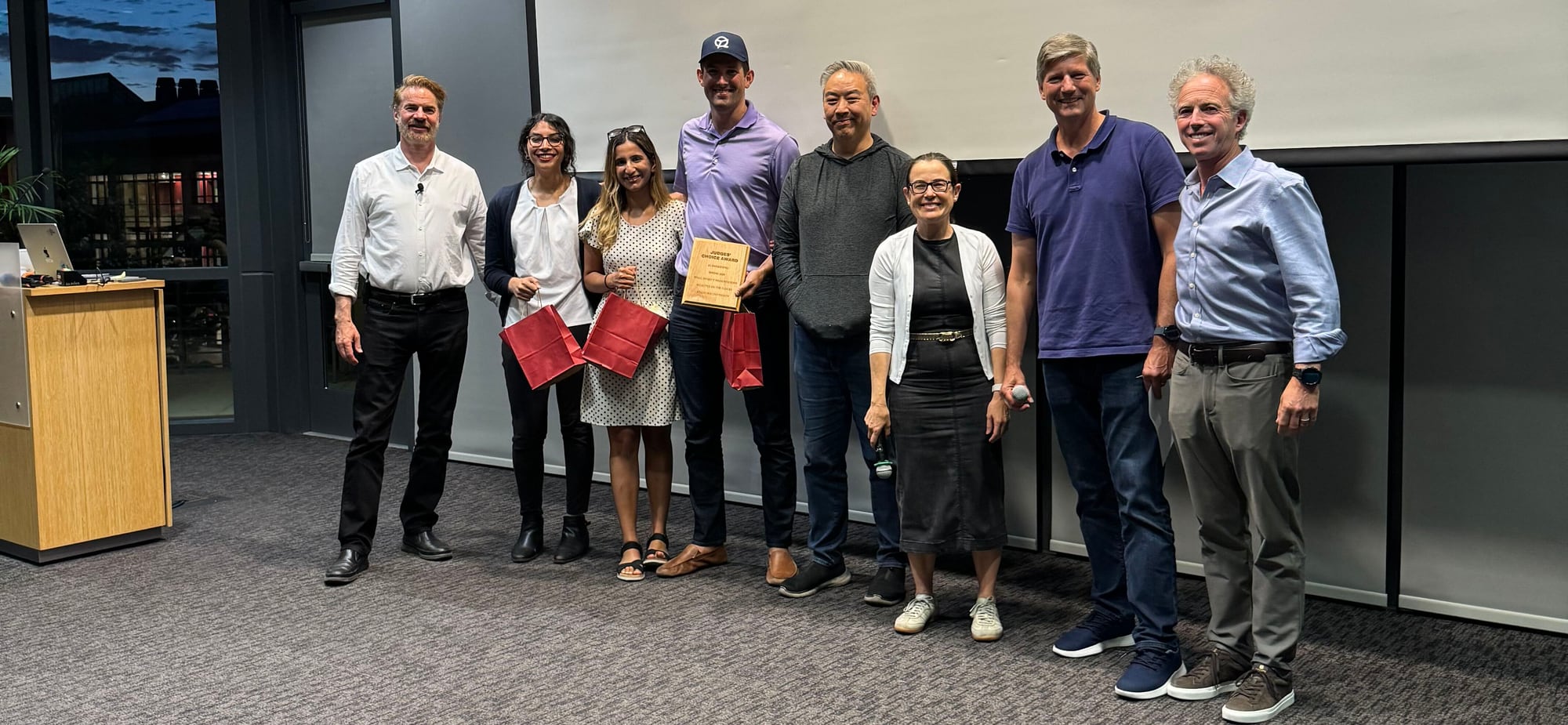
Aging is a problem the world has in common, and I was honored to be invited by Walter Greenleaf to join a US delegation of digital health innovators to meet with leaders focused on the space. I went eager to learn where the challenges we each face overlap, and where they don't.
All that said, I hadn't felt this nervous getting off a plane since stepping into forty below in polar-bear country in Barrow, Alaska. I had little tech with me, so I was back to asking for help the way I'd learned to while parking a big rig, this time with a major language barrier in the middle. It put me deeper in the shoes of our own customers, who can feel exactly that way about technology, and are not wrong.
Our hosts in Shunyi made a point of telling us the district's name translates to "success and trust." In Tianjin, one of our hosts pointed out that the name of their ancient river is one syllable away from how you say Silicon Valley in Chinese. I learned much from observing these sessions and touring the HICOOL startup conference.
Three observations to share from the trip:
Aging is a global reality. It was fascinating to learn how the communities we visited are approaching the problem we work on every day. For example, several of our hosts described senior living and institutional care for older adults as relatively new needs at scale in China, as most older adults age in their families’ homes. This creates opportunities to design new infrastructure rather than only retrofit existing systems. Thinking back to my consulting days, being able to start from the future state has advantages over retrofitting old and overworked processes. Meanwhile we share similar headaches around workflow, automation, and the security of health information that come with any system so large. I left particularly interested in how the robotics being deployed may or may not meaningfully improve senior living and care.
Communication through noise is more important now than ever. We had at least two translators in every meeting, plus translation software, and even some translating glasses. Still, what was said and what was understood were sometimes two different things, and for the first time in my life, I could watch the gap unfold in real time. When people ask my biggest takeaway from my time at Stanford, this is my answer: communication through noise is more important now than ever. I saw a new level of it in these settings where we had hours of traditional translation coupled with modern technology.
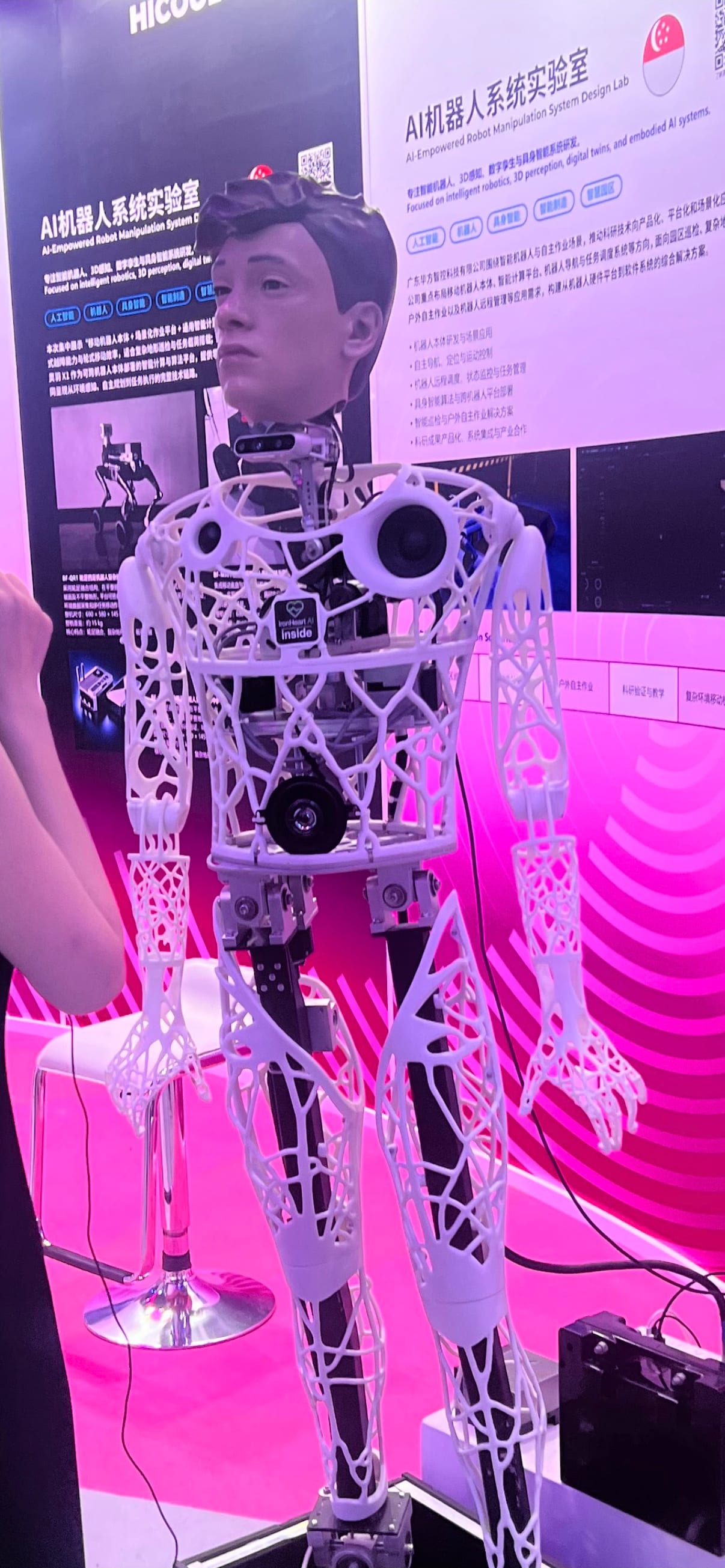
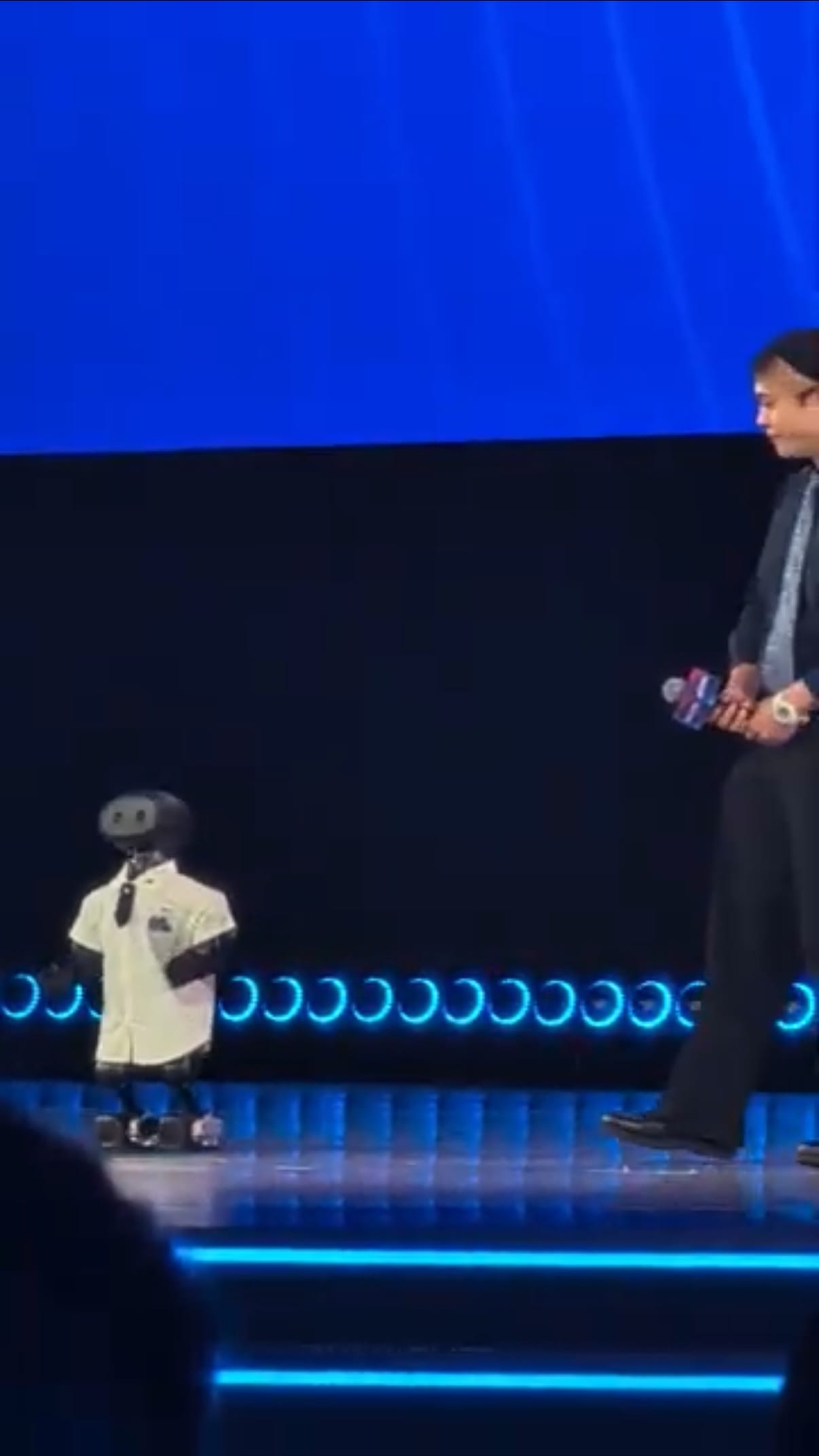
Robots raised as toddlers? I had hoped to catch the Humanoid Olympics, but my flights didn't cooperate. Later in the week, at HICOOL, a founder walked on stage with his child-sized humanoid robot. When it came time to leave, the robot would not cooperate. Instead we watched him and another grown man carry the three-foot robot off stage kicking. And the metal legs didn’t seem to let up on the kicking. The room laughed. It was comical, but also scary.
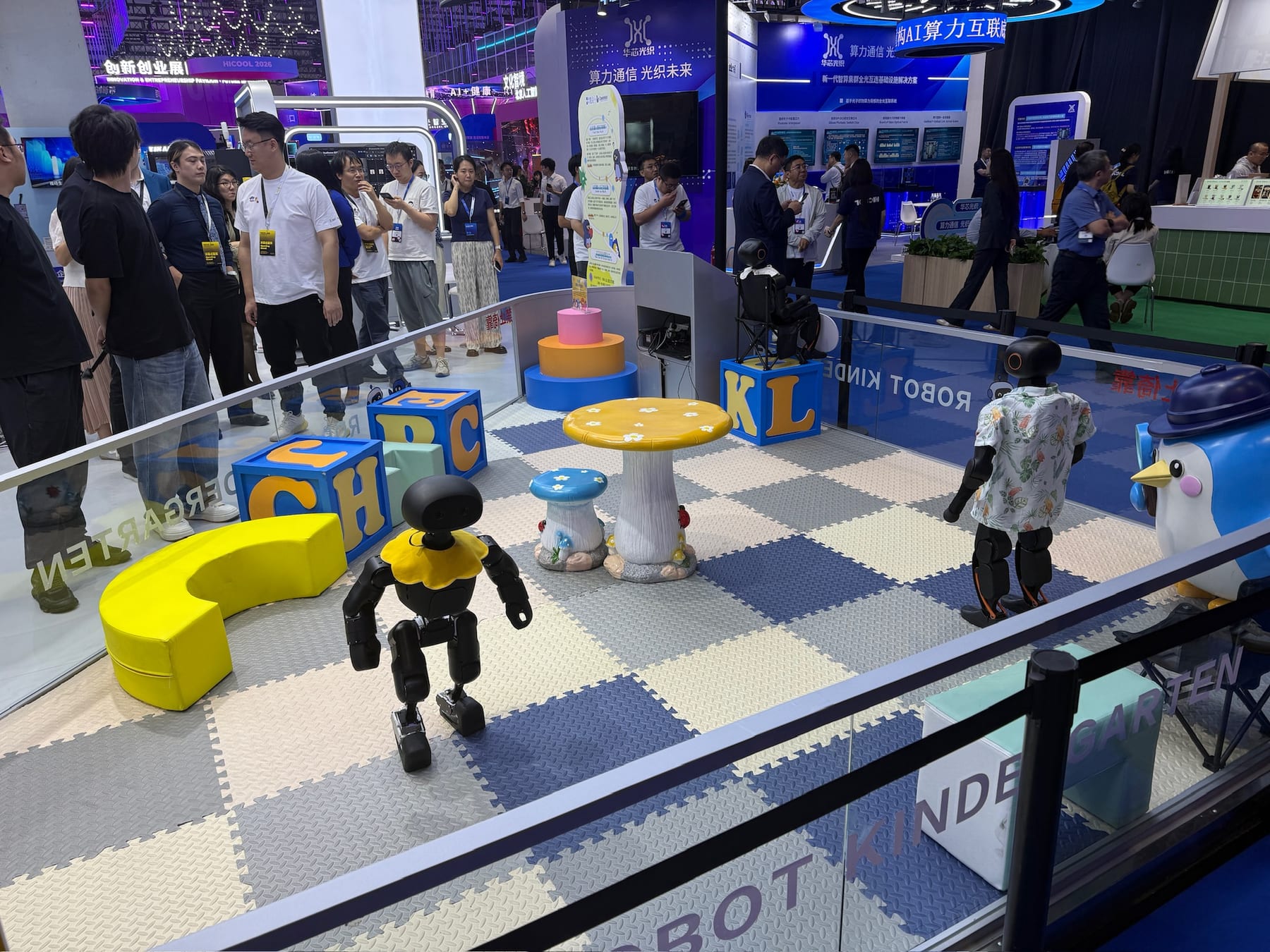
The initiative was introduced as "Robot Kindergarten": an environment where robots learn through trial and error, in controlled physical environments alongside others. It makes sense from a technical training perspective and is not too different from what we learned about in school, though it seems there are already far too many human parenting analogies for AI.
Unlike humans, embodied AI will not need 18 years to grow up. As human populations get older and robots become bigger, stronger, and faster, what happens when the parents on hand cannot carry the temper tantrum off stage? After all, this was a controlled demo on a global stage.
Globally, there is a lot of work to do. In his presentation to entrepreneurs, Walter shared that health can be the backbone of innovation. After watching innovators from many countries work the same problem from different starting points, I came home inspired by what we can learn from each other in support of humanity and by the great potential of the technology being built. However, time isn't on our side.
I am grateful for the hospitality, the generosity, the opportunity, and, yes, the fact that my bicycle made it safely around the globe, its longest loop yet.