Why I Went Back to School (application essay)
Flipping the script on AI and aging. On the same mission, even more urgency.
 Shotgun
I get more than 250 words now…
I sometimes revisit my business school application essays. First, the process of applying for school gave me a new level of respect for everyone on my team who had gone to grad school. Second, the amount of writing, rewriting, and reflection that goes into them serves as a strong sounding board to challenge assumptions and progress towards goals. Third, I spent the whole time studying the topic beyond my own, n-of-1, lived experience, learning how new the concept of retirement is and what leaders around the world are and aren't doing about it.
In February 2025, one of the essays asked me to choose an existing data visualization and explain, in 250 words or less, what it means and why it matters to me. I chose bar charts over regression lines.
I don't know what would be harder: explaining this one to our grandparents or AI…
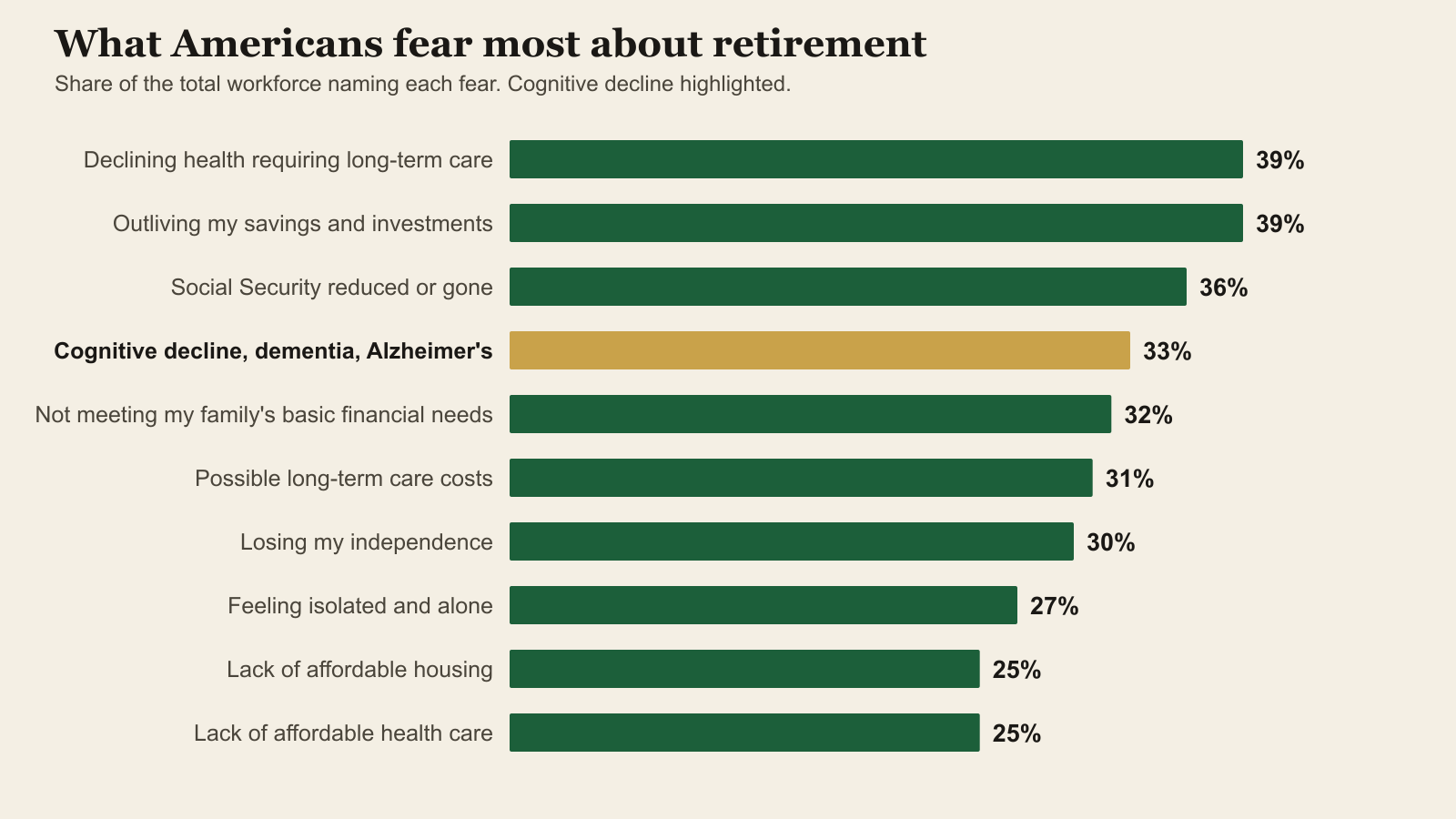
The immediate thought that came to mind when I read this chart was a book we read in my psychology coursework at UC Davis, Robert Sapolsky's Why Zebras Don't Get Ulcers. Fear, stress, increased cortisol, in and of themselves, can present a far greater health risk than the lion lurking nearby that one time…
The next was my dad's dream, my grandparents' dreams, and their parents' dreams, let alone their sacrifices immigrating here. What would their list of fears have been?
War, famine, disease, cross-Atlantic travel, language barrier… What about their American Dream, for us?
This month, the Transamerica Center for Retirement Studies published a survey of over 10,000 employed, self-employed, and unemployed American adults. This graph ranks common fears across each cohort. The study further highlights that only half of respondents prioritize their health despite expecting to work longer. In addition, 43% worry that Artificial Intelligence (AI) will make their skills obsolete before they are ready to retire. This raises a question: is the modern American Dream simply a safe retirement?
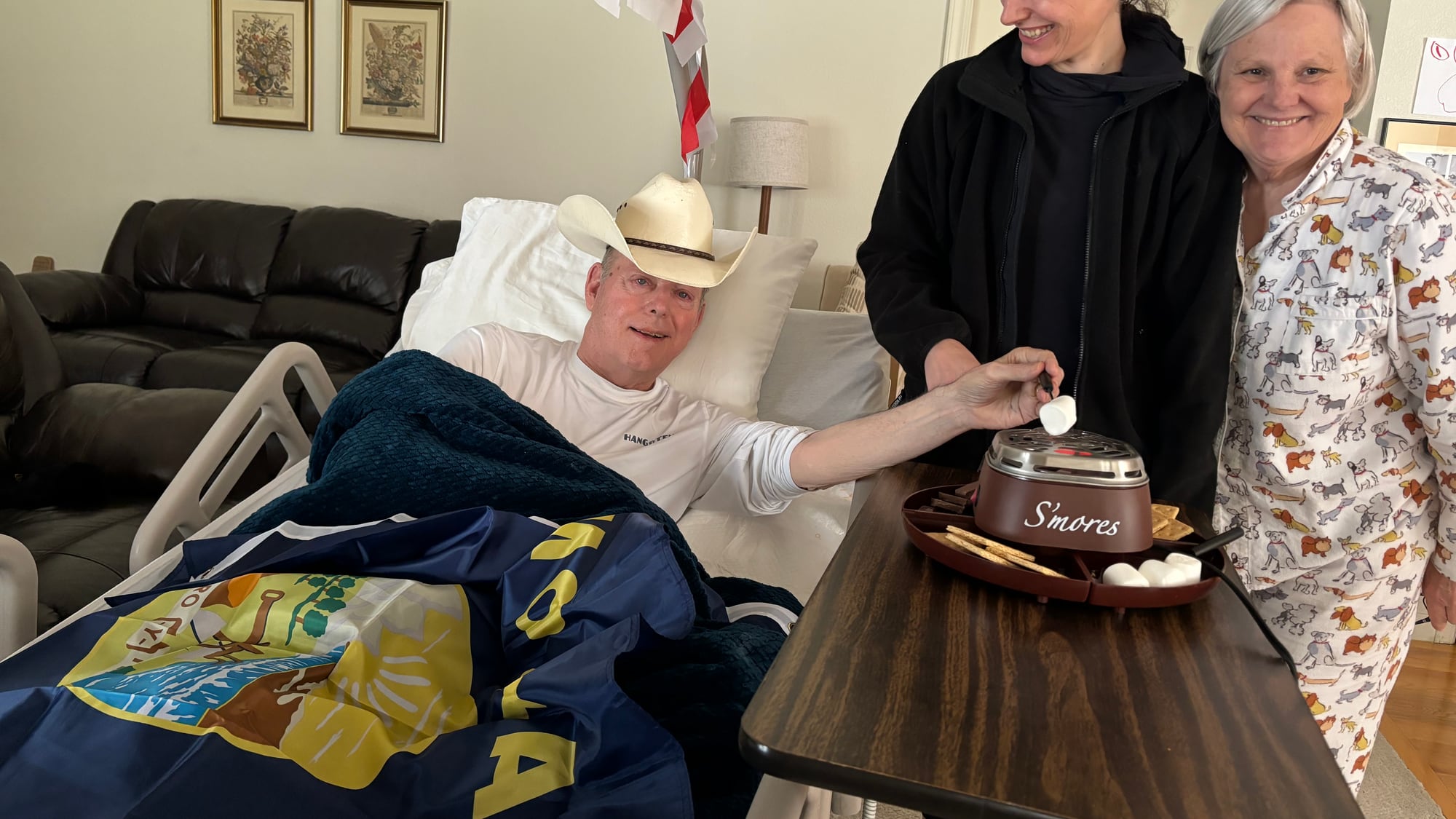
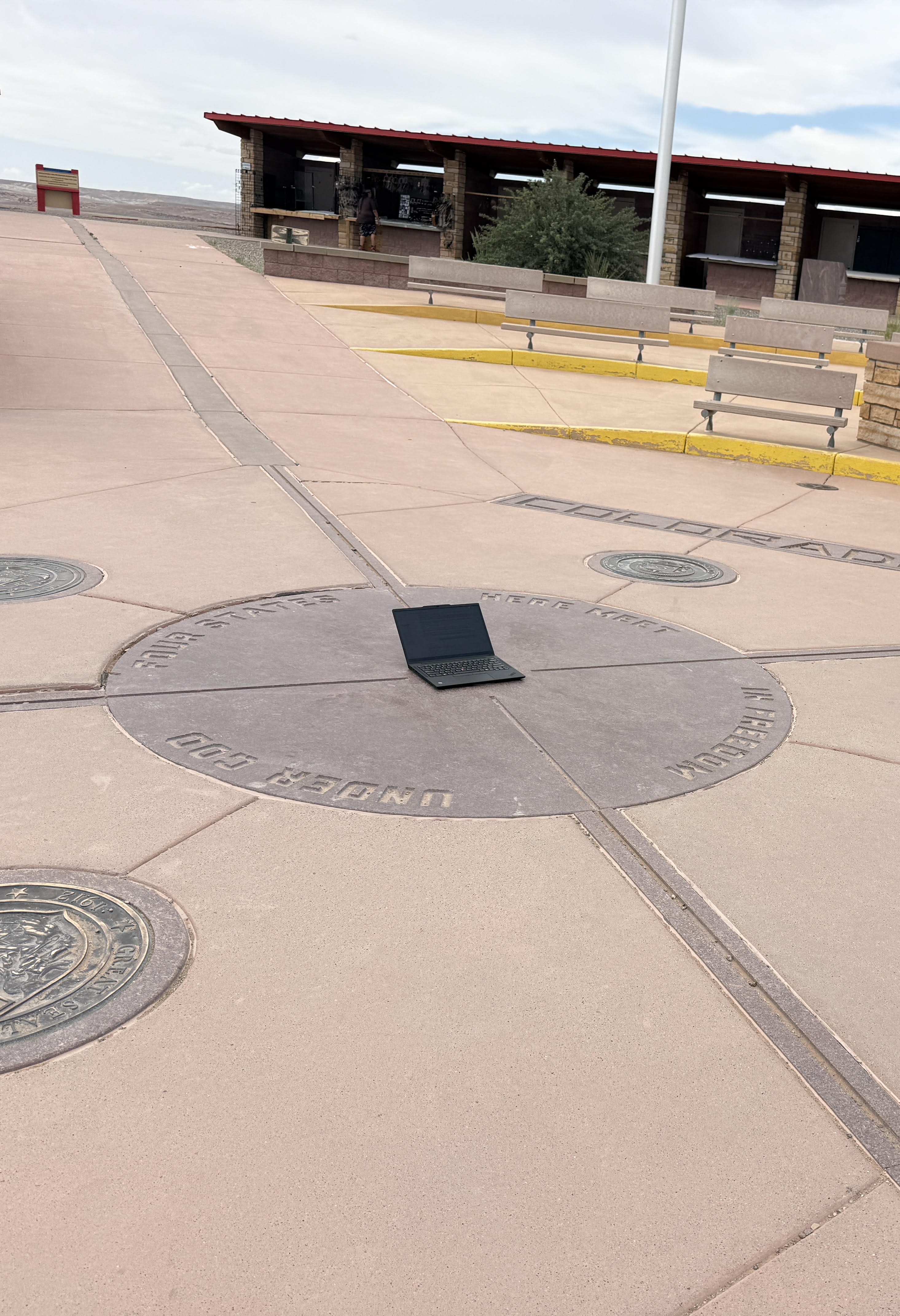
My own father shared these fears. He confronted them at age 70 when sudden brain cancer forced his bedridden retirement. As we navigated the healthcare system, his retirement dream, to visit all 50 states, seemed out of reach. However, ChatGPT devised a plan to bring the outstanding five to him. When he could no longer speak, it generated a page of the most-used English words he could physically point to. AI brought him joy and helped him live better in his final days.
John Adams said, "I must study politics and war, [so] that my children may have liberty to study mathematics and philosophy."
Fast forward nearly 250 years and we are fighting for a different independence: a dignified retirement where we honor elders while empowering future generations to lead. Instead of fearing technological displacement, we should focus on AI's potential to enhance human well-being, empowering people around the world to work smarter, live better, and retire with optimism, not fear.